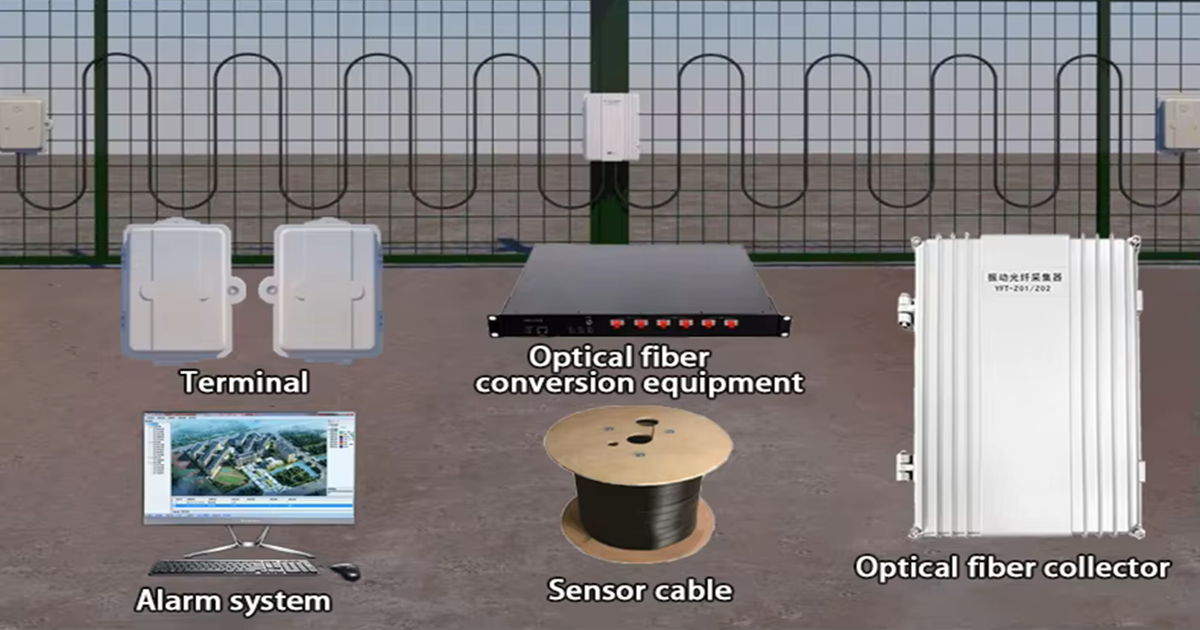
Industrial facilities face many risks every day. These risks can come from unauthorized access, theft, accidents, or internal safety issues. Protecting people, assets, and operations is very important for any industry. This is where security and surveillance systems play a key role. They help industries monitor activities, prevent threats, and respond quickly to incidents.
Modern industrial security is no longer limited to guards and locks. Today, smart technology supports better protection and control. In this blog, we will discuss how security and surveillance systems provide smart solutions for industrial protection and why they are essential for safe and efficient operations.
Understanding Industrial Security and Surveillance
Industrial security focuses on protecting facilities, equipment, materials, and people. Surveillance involves monitoring activities using cameras, sensors, and other tools. Together, they create a strong system that helps industries stay alert and prepared.
Security systems control who can enter specific areas. Surveillance systems observe what happens inside and around the facility. These systems work continuously and provide real-time information.
A well-planned security and surveillance setup helps industries reduce risks and maintain order.
Importance of Security in Industrial Environments
Industrial sites often handle valuable equipment and sensitive information. Unauthorized access can lead to theft, damage, or safety hazards. Strong security systems help prevent such incidents.
Security also protects employees. Safe workplaces improve confidence and productivity. When workers feel protected, they can focus better on their tasks.
Security systems also support compliance with safety and regulatory standards. Many industries are required to maintain certain security measures by law.
Role of Surveillance Systems
Surveillance systems allow industries to monitor activities at all times. Cameras are installed at entry points, production areas, storage zones, and outdoor spaces. These cameras record and display live footage.
Surveillance helps detect unusual behavior early. It also provides evidence in case of incidents. Recorded footage can be used to review events and improve safety procedures.
Surveillance systems act as a strong deterrent. The presence of cameras often discourages unwanted activities.
Integration of Smart Technology
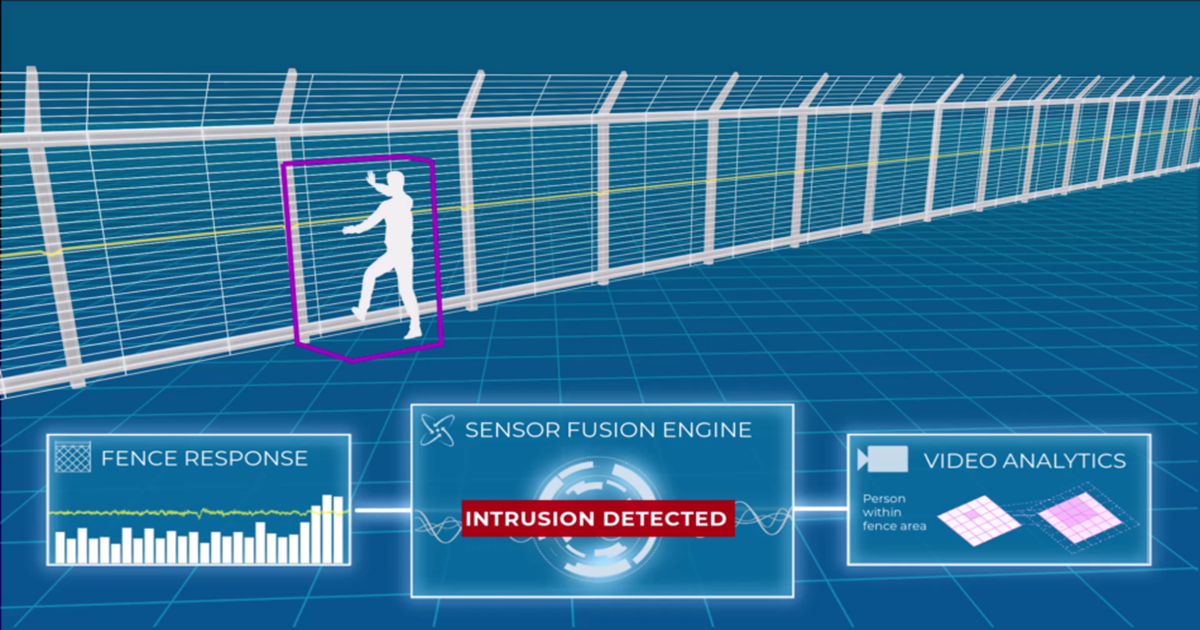
Modern security and surveillance systems use smart technology. Digital cameras provide high-quality images. Some systems include motion detection and alerts.
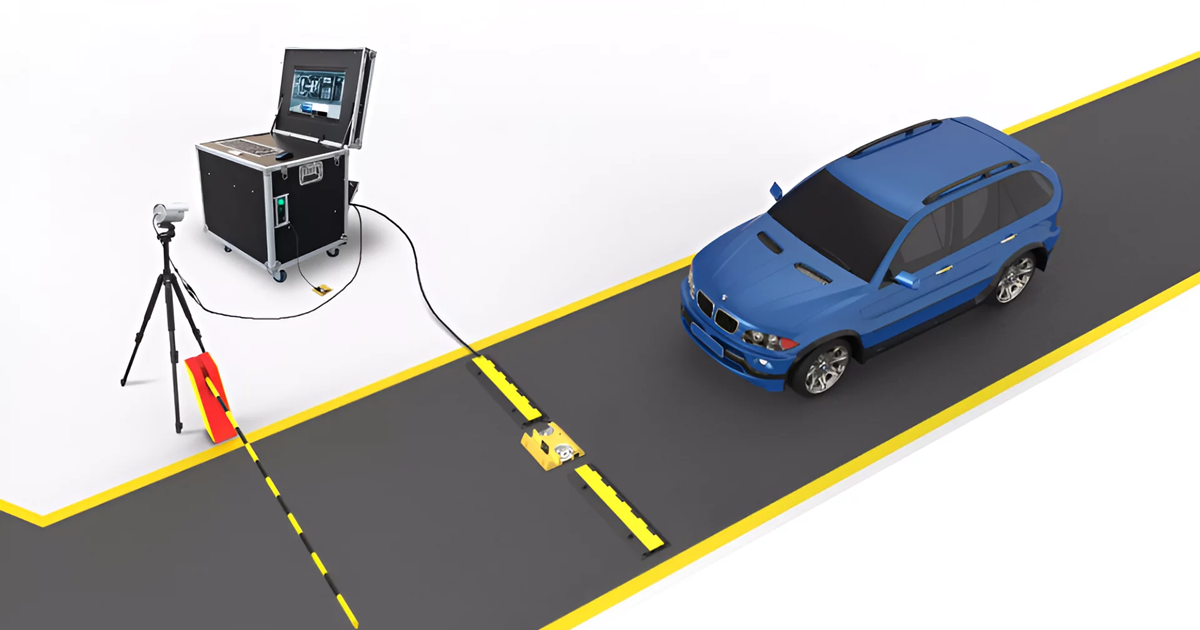
Access control systems use cards, codes, or biometric data. These systems ensure that only authorized personnel can enter restricted areas.
Smart systems can be connected to central monitoring platforms. This allows security teams to manage multiple locations from one place. Technology makes security more efficient and reliable.
Enhancing Safety Through Monitoring
Safety is closely linked to security. Surveillance systems help monitor working conditions. They allow supervisors to check if safety rules are being followed.
In case of emergencies, security systems help guide response actions. Alarms and alerts notify teams quickly. Fast response can prevent injuries and reduce damage.
Monitoring also helps identify unsafe practices. Industries can use this information to improve training and procedures.
Preventing Loss and Theft
Loss prevention is a major benefit of security and surveillance systems. Industrial materials and equipment are often expensive. Theft or misuse can cause financial losses.
Security systems help track movements within the facility. Surveillance footage can reveal unauthorized actions. This helps prevent theft and internal misuse.
By reducing losses, industries can protect their investments and maintain profitability.
Improving Operational Control
Security and surveillance systems also support operational control. Managers can observe workflows and identify inefficiencies.
Monitoring helps ensure that processes are followed correctly. It also helps identify areas where improvements are needed.
Better control leads to smoother operations and fewer disruptions.
Data and System Management
Modern surveillance systems generate data. This data helps industries analyze patterns and trends. For example, frequent alerts in a specific area may indicate a problem.
Security data can be used to improve facility layout and procedures. It helps in planning upgrades and system expansion.
Proper data management improves decision-making and long-term planning.
Compliance and Risk Management
Industries must follow safety and security regulations. Security and surveillance systems help meet these requirements.
Regular monitoring and documentation support audits and inspections. They also help demonstrate compliance to authorities and partners.
Risk management becomes easier with proper security systems in place. Industries can identify risks early and take preventive measures.
Scalability and Future Readiness
Industrial security needs change over time. Facilities expand, and operations become more complex. Modern security systems are scalable.
New cameras, access points, and monitoring tools can be added easily. This allows industries to grow without compromising security.
Future-ready systems support integration with new technologies. This ensures long-term value and adaptability.
Building Trust and Confidence
Strong security systems build trust among employees, partners, and customers. A secure facility reflects professionalism and responsibility.
Clients feel confident working with industries that prioritize safety and protection. Employees feel valued and secure in their workplace.
Trust and confidence support long-term business relationships.
Conclusion
Security and surveillance systems are essential for industrial protection. They help prevent risks, enhance safety, and improve operational control. By using smart technology, industries can monitor activities, protect assets, and respond quickly to incidents.
As industrial environments continue to evolve, the need for reliable security solutions will grow. Investing in modern security and surveillance systems is not just about protection. It is about creating a safe, controlled, and trusted environment where industries can operate confidently and grow sustainably.